

Fire Safety in Rental Properties: What Every Tenant and Landlord Must Know
Fire safety is one of the most critical aspects of maintaining a rental property. A single incident can cause serious injury, property damage, and financial loss. The good news is that many fire risks can be prevented with simple precautions and awareness.
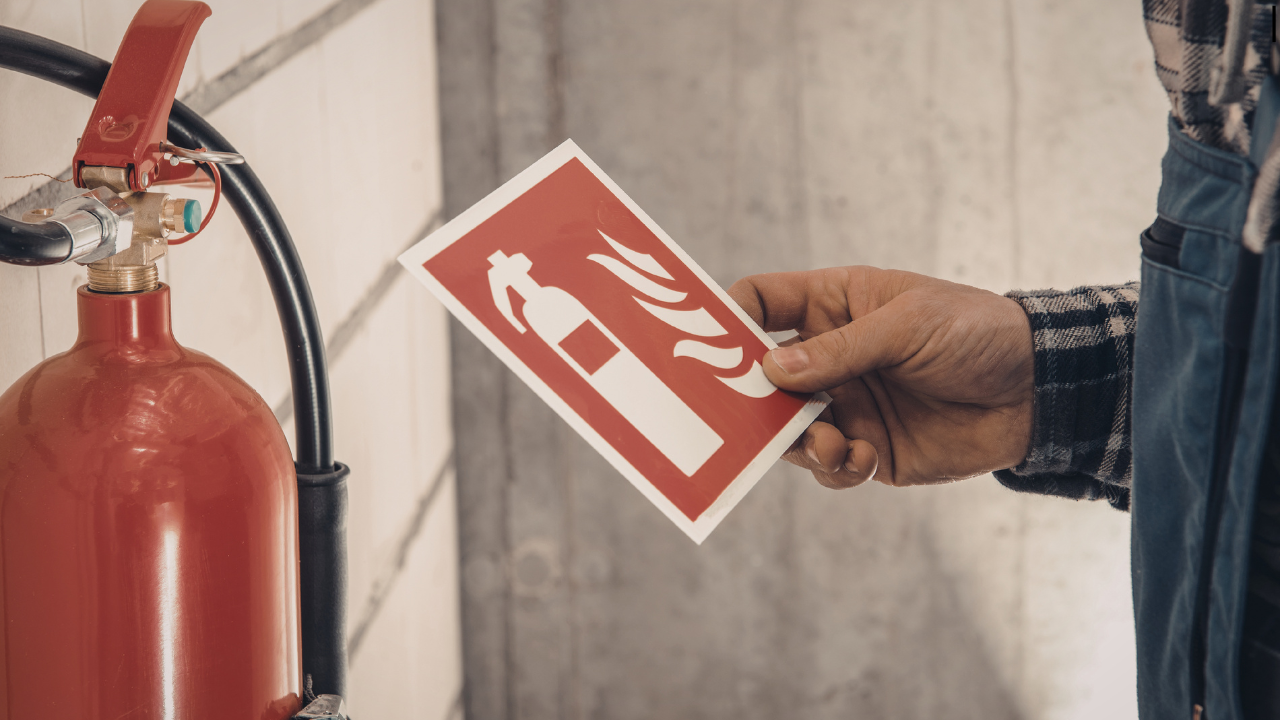
Q: Why is fire safety so important in rental properties?
A: Fire safety protects lives, property, and belongings. Rental homes often involve shared responsibilities, so both landlords and tenants must take steps to reduce fire risks and respond quickly in case of an emergency.
Q: What fire safety equipment should every rental property have?
A: Every rental property should include:
- Working smoke detectors
- Carbon monoxide detectors
- Fire extinguishers (where required)
- Clearly accessible exits
These safety devices provide early warning and help reduce the severity of fire-related incidents.
Q: How often should smoke detectors be checked?
A: Smoke detectors should be tested at least once a month, and batteries should be replaced as needed. Ensuring they are always working properly can save lives in an emergency.
Q: What are the most common causes of fires in rental homes?
A: Common causes include:
- Electrical issues or overloaded outlets
- Cooking accidents
- Heating equipment placed too close to flammable items
- Candles left unattended
- Faulty appliances
Understanding these risks helps prevent avoidable accidents.
Q: What fire prevention habits should tenants follow?
A: Tenants can reduce fire risks by:
- Never leaving cooking unattended
- Keeping flammable items away from heat sources
- Avoiding overloading outlets
- Using appliances properly
- Extinguishing candles before leaving a room
Simple daily habits can make a big difference.
Q: What responsibilities do landlords have for fire safety?
A: Landlords are typically responsible for:
- Installing and maintaining smoke detectors
- Ensuring electrical and heating systems are safe
- Providing required fire safety equipment
- Keeping the property up to safety standards
Regular inspections help maintain a safe environment.
Q: Should renters have a fire escape plan?
A: Yes. Every household should have a basic fire escape plan that includes:
- Identifying at least two exits from each room
- Establishing a meeting point outside
- Practicing the plan with all occupants
Being prepared can help everyone respond quickly during an emergency.
Q: What should you do if a fire occurs?
A: In case of a fire:
- Leave the property immediately
- Alert others if possible
- Call emergency services
- Do not attempt to fight large fires
Safety should always come first.
Q: How can regular maintenance help prevent fires?
A: Routine maintenance helps reduce fire risks by:
- Identifying faulty wiring or appliances
- Keeping heating systems in good condition
- Ensuring smoke detectors are functional
- Addressing issues before they become dangerous
Preventative care is key to fire safety.
Final Thoughts
Fire safety in rental properties is a shared responsibility. By staying aware of risks, maintaining safety equipment, and practicing good habits, both landlords and tenants can create a safer living environment.
Taking small steps today can help prevent serious emergencies in the future.