

Utilities Explained for Renters
When renting a home, utilities can be one of the most confusing parts of the budget. Some rentals include them, while others require tenants to set them up and pay separately. Understanding how utilities work helps you avoid unexpected costs and plan your monthly expenses better.
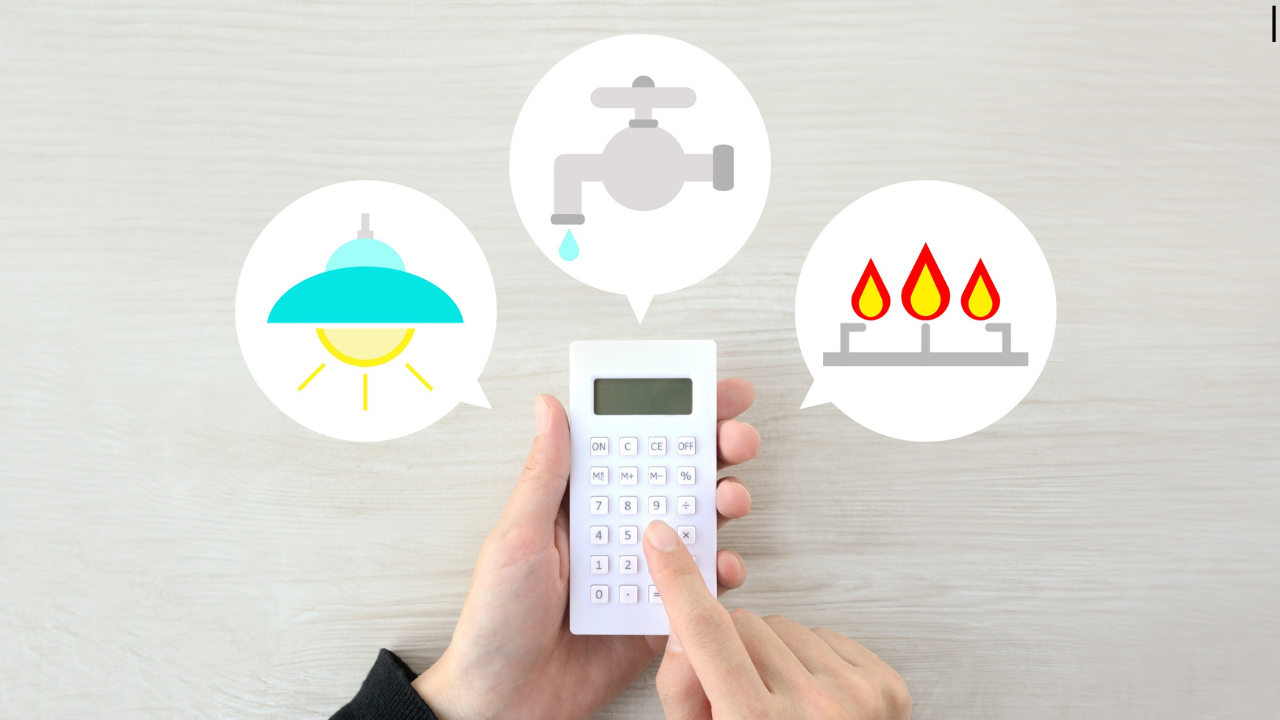
Q: What are utilities in a rental property?
A: Utilities are the essential services needed to run a home. Common utilities include:
- Electricity
- Water and sewer
- Gas
- Internet and cable
- Trash collection (in some cases)
These services are required for everyday living in a rental unit.
Q: Are utilities always included in rent?
A: Not always. Utility arrangements depend on the lease. There are typically three setups:
- All utilities included in rent
- Some utilities included, others paid by tenant
- All utilities paid by tenant separately
Always check your lease to understand what’s included.
Q: Why do some landlords include utilities in rent?
A: Some landlords include utilities to:
- Simplify billing for tenants
- Make the property more attractive
- Encourage longer leases
However, this may result in slightly higher rent.
Q: Which utilities are usually the tenant’s responsibility?
A: In many rentals, tenants are responsible for:
- Electricity
- Internet and cable
- Gas (in some cases)
But this varies depending on the property and lease agreement.
Q: How do tenants set up utilities?
A: If utilities are not included, tenants usually need to:
- Contact local utility providers
- Create an account in their name
- Schedule activation before move-in
It’s best to set up utilities a few days before moving in to avoid delays.
Q: How much do utilities typically cost?
A: Costs vary depending on location, usage, and property size, but renters should budget for:
- Higher electricity costs during hot or cold seasons
- Monthly internet subscriptions
- Water and gas usage based on consumption
Asking previous tenants or the landlord can help estimate costs.
Q: Can renters reduce utility costs?
A: Yes. Simple ways to save include:
- Turning off lights and appliances when not in use
- Using energy-efficient bulbs
- Taking shorter showers
- Using natural lighting when possible
- Unplugging unused devices
Small habits can lead to noticeable savings.
Q: What should renters ask about utilities before signing a lease?
A: Important questions include:
- Which utilities are included in rent?
- Who is responsible for setup and payment?
- Are there average monthly utility costs?
- Are there shared utilities with other tenants?
Clear answers help avoid surprises later.
Q: What happens if utility bills are not paid?
A: If utilities are in the tenant’s name, non-payment may result in:
- Service disconnection
- Late fees
- Credit impact (depending on the provider)
It’s important to stay on top of payments.
Final Thoughts
Understanding utilities is a key part of renting responsibly. Knowing what’s included, what you’ll pay for, and how to manage costs can help you budget better and avoid surprises.
A well-informed renter is always better prepared for a smooth and stress-free living experience.